
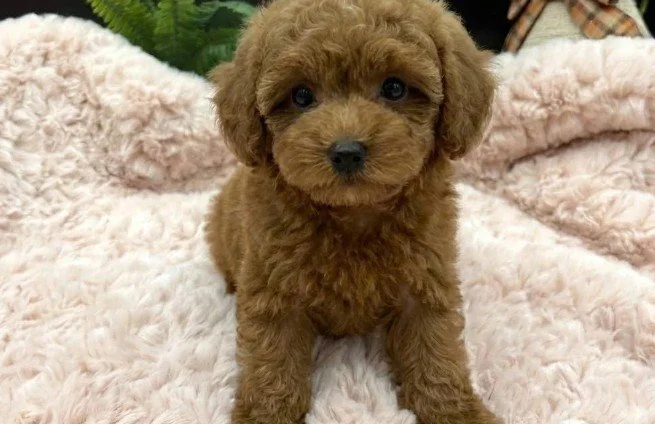
Getting your puppy feeding schedule right is one of the biggest things you can do for a Toy Poodle or Imperial Shih Tzu in the first months. These little dogs have tiny stomachs, fast metabolisms and big appetites for play, so the how often, how much and what matter just as much as the brand on the bag. At Maxanimo, we see new families worry about this more than almost anything else, so here is a calm, practical guide.
Why a small-breed puppy needs a careful feeding routine
A Toy Poodle puppy can weigh only a few pounds at 8 weeks. That means very small portions, and it also means they can't go as long between meals as a bigger dog. Skipping or delaying meals can leave a tiny puppy tired, wobbly or unwell.
A steady routine also helps with house training and sleep, because what goes in at regular times tends to come out at regular times. If you are still working on that, our potty training guide for winter pairs well with this one.
Puppy feeding schedule by age
Every puppy is different, so treat these as a starting point and ask your vet to confirm what suits your puppy:
8 to 12 weeks: 4 small meals a day, spaced evenly from morning to evening.
3 to 6 months: 3 meals a day as your puppy settles into the routine.
6 to 12 months: 2 meals a day, often moving to this around 6 months.
Adult dogs: 2 meals a day is a good habit for most small breeds.
Try to keep meal times consistent, for example 7:00, 12:00, 17:00 and a small last meal before bed for the youngest puppies.
How much should a Toy Poodle puppy eat?
The best starting point is the feeding chart on the bag of a quality puppy food made for small breeds. Charts are based on your puppy's weight and age, and the total is then divided across the day's meals.
Weigh your puppy regularly and adjust portions as they grow.
Measure with a kitchen scale or a proper measuring cup rather than guessing.
Count treats in the daily total, especially during training.
If your puppy leaves food, don't force it; if they are always starving or losing weight, call your vet.
A healthy puppy should have a visible waist and you should be able to feel the ribs under a thin layer of padding. If you are unsure, your vet can check body condition at the next visit.
Choosing the right food for a small-breed puppy
Look for a complete and balanced food labelled for puppies, with a kibble size small enough for a tiny mouth. Some families soften the kibble with a little warm water at first, which can make eating easier for very young puppies.
Keep the same food your puppy was eating when they came home, at least for the first week or two.
If you want to change foods, switch gradually over 7 to 10 days by mixing the old and new.
Always have fresh water available.
Avoid sudden changes, table scraps and rich treats, which can upset a small stomach.
Ask your vet which food and which transition age they recommend for your puppy, as needs can vary.
Feeding routine tips that make life easier
Feed in the same quiet spot, with a clean bowl each time.
Pick up the bowl after 15 to 20 minutes so meals stay on schedule.
Let your puppy rest after eating rather than racing into play.
Take your puppy outside soon after meals, since small puppies often need to go within a short time.
Winter adds one more thing: cold days can make a tiny puppy less keen to go out, so a warm coat and a patient routine help a lot.
Signs your puppy feeding schedule is working
After a week or two on a steady routine, you should see a puppy who eats with interest, has steady energy between meals, and produces regular, firm stools. Gentle weight gain on the vet scale is another good sign.
Talk to your vet if your puppy refuses several meals in a row, vomits, has ongoing diarrhea, seems unusually sleepy or weak, or stops gaining weight. Tiny puppies can go downhill quickly, so it is always better to call early than to wait and see.
💡 Remember: a small, steady puppy feeding schedule beats a perfect brand. Same times, measured portions, one food at a time, and a vet's guidance if anything seems off.
FAQ
How many times a day should I feed my Toy Poodle puppy?
Most young puppies do well with 4 small meals a day until about 12 weeks, then 3 meals, and later 2 meals a day. Your vet can fine-tune this for your puppy.
Can I leave food out all day?
We suggest scheduled meals instead. It makes it easier to see how much your puppy eats, supports house training and helps avoid overeating.
When should I switch to adult dog food?
Small breeds often move to adult food somewhere around their first birthday, but the right timing depends on your puppy. Ask your vet and switch gradually.
Welcome a new puppy with confidence
If you are getting ready to welcome a new family member, our first 7 days guide covers what to expect at home. You can also see our available puppies or contact us with any questions. We are always happy to help.
— Maxime, Maxanimo